
Introduction
French Polynesia is one of the most beautiful island destinations in the world, known for its turquoise lagoons, volcanic peaks, private villas and overwater bungalows. Whether you dream of swimming with rays in Bora Bora, exploring Moorea’s lush landscapes or relaxing in a secluded retreat in Taha’a, choosing the best time to visit French Polynesia will shape the experience you have. If you are designing a wider international route or a complete round the world trip, our round the world travel planning guide will help position these islands within your larger itinerary.
French Polynesia has a tropical climate with two main seasons: a dry season known for sunshine, calm waters and excellent marine visibility, and a warmer season with increased humidity and occasional rain showers. Luxury travellers often choose their timing based on weather, ocean conditions, marine life patterns and availability at exclusive resorts.
This guide breaks down the seasonal changes across French Polynesia to help you choose the best time to visit for comfort, clarity, relaxation and memorable experiences.
Understanding French Polynesia’s Climate
French Polynesia sits in the South Pacific, with weather influenced by ocean currents and tropical trade winds.
Dry Season (May to October)
Cooler, less humid and widely considered the best time for travel.
Warm Season (November to April)
More humid with occasional showers but still warm and enjoyable.
Year Round Conditions
- Sea temperatures remain pleasant all year
- Sunlight is strong across all seasons
- Tropical breezes help maintain comfort even during warmer months
Regional differences are subtle, meaning most islands experience similar seasonal rhythms.
Dry Season in French Polynesia (May to October)
The Best Overall Time to Visit
Dry season is the most popular period for travellers visiting French Polynesia. Conditions are warm but not overpowering, humidity is lower and rainfall decreases significantly.
Why the Dry Season Is Ideal
- Clear blue skies
- Calm lagoons perfect for swimming and snorkelling
- Comfortable temperatures between 24 and 30 degrees
- Excellent visibility for diving
- Lower humidity for outdoor activities
- Ideal weather for overwater villas and private island stays
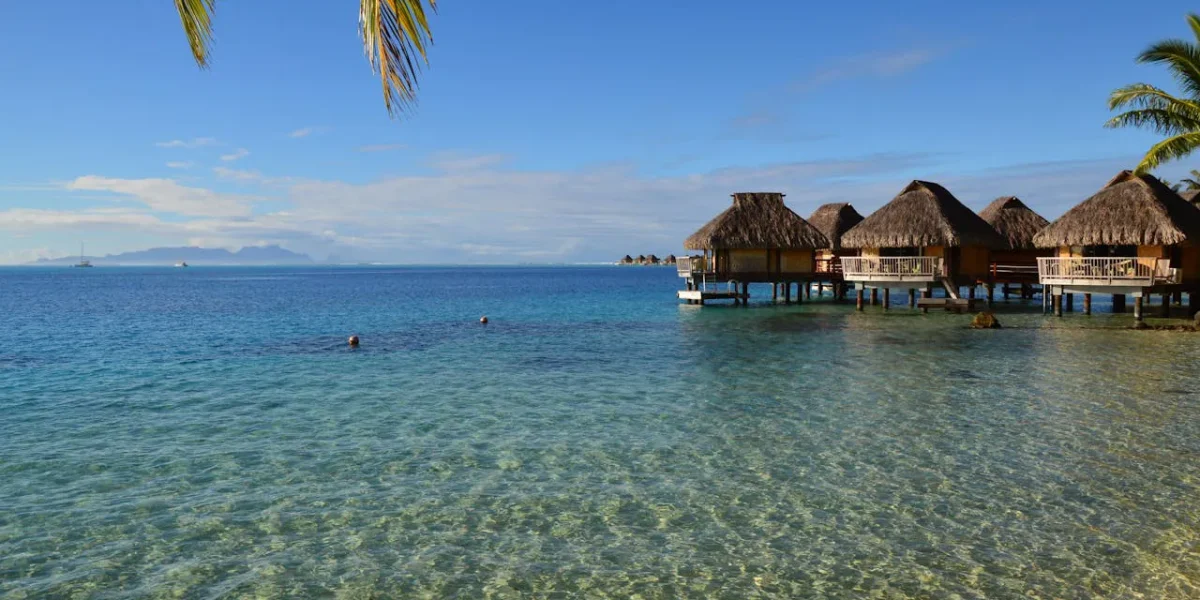
Dry season delivers the classic postcard view of French Polynesia with stable weather and bright turquoise waters.
Dry Season on Each Island
- Bora Bora: Best time for views of Mount Otemanu and calm lagoon excursions
- Moorea: Ideal for hiking, cycling and swimming with rays
- Tahiti: Cultural attractions, surfing and lagoon touring thrive in this season
- Taha’a and Raiatea: Excellent for private tours, pearl farms and quiet luxury retreats
Dry Season Within a Round the World Journey
Travellers often include French Polynesia in their route:
- Before or after New Zealand
- Between Australia and Japan
- As a restful midpoint between activity heavy destinations
- As a luxury island chapter before continuing across the Pacific
Dry season offers predictable conditions that align smoothly with global travel patterns.
Warm Season in French Polynesia (November to April)
A Lush, Colourful and Peaceful Season
The warm season brings higher humidity, greener landscapes and occasional tropical showers, usually brief and followed by sunshine.
Reasons Travellers Choose the Warm Season
- Fewer visitors and more privacy
- Excellent value at luxury resorts
- Lush green scenery
- Warm seas and vibrant marine environments
- Beautiful sunsets and dramatic skies
Although rain is more likely, it rarely disrupts an entire day, and temperatures remain consistently pleasant.
Marine Life and Lagoon Conditions
Warm season can offer excellent marine activity, including:
- Increased sightings of manta rays
- Warmer lagoon waters ideal for long swims
- Beautiful coral gardens in full colour
Warm Season Within a Round the World Journey
This period can suit travellers who:
- Prefer quieter destinations
- Are building a route through the South Pacific before peak season
- Want flexibility in their itinerary timing
- Appreciate lush, tropical scenery
With thoughtful planning, the warm season still offers exceptional experiences.
Best Time to Visit for Marine Life
French Polynesia has remarkable underwater life.
Best periods for specific sightings:
Manta Rays
- April to November around Bora Bora and Rangiroa
Sharks and Large Marine Species
- June to October for clear waters
Humpback Whales
- July to November, especially around Moorea
Best Overall Snorkelling and Diving Conditions
- May to October
For travellers interested in wildlife and photography, these windows provide the most reliable marine encounters.
Best Time to Visit for Overwater Bungalows
Overwater stays are one of the signature experiences of French Polynesia.
Ideal conditions for overwater villas:
- June to September for the calmest lagoon waters
- May and October for great balance between weather and availability
- November to April for quieter, more private stays with tropical warmth
Travellers wanting bright blue water views from their villa should prioritise the dry season.
Best Time to Visit for Luxury Travel
French Polynesia is known for high end resorts, private villas, fine dining and exceptional hospitality. Timing matters for comfort and overall experience.
The best periods for luxury travel are:
- June to September for the most consistent weather
- May and October for quieter luxury stays and stable conditions
- July to November for combining good weather with peak marine life viewing
During these periods, travellers can enjoy:
- Private lagoon tours
- Sunset cruises
- Spa treatments with ocean views
- Dining experiences on remote motus
- Helicopter flights over Bora Bora’s lagoon
These conditions ensure a memorable and comfortable stay.
How French Polynesia Fits Within a Round the World Trip
French Polynesia is one of the most natural additions to a wider international journey, especially for travellers seeking rest, beauty and calm between more active segments.
Travellers often place French Polynesia:
- After New Zealand for a warm and relaxing contrast
- Before or after Australia
- Between Japan and California
- As the idyllic island chapter after exploring South America
Typical durations include:
- 3 to 4 nights in Bora Bora
- 3 to 4 nights in Moorea
- Optional 2 to 3 nights in Tahiti, Taha’a or Rangiroa
This pacing offers a perfect blend of scenery, relaxation and gentle exploration.
Seasonal Mini Itineraries
Dry Season Itinerary
- Tahiti
- Moorea
- Bora Bora
Warm Season Itinerary
- Tahiti
- Moorea
- Taha’a for a secluded luxury stay
Marine Life Itinerary
- Moorea for whales
- Bora Bora for rays
- Rangiroa for snorkelling and diving
Luxury Retreat Itinerary
- Moorea boutique resort
- Bora Bora private overwater villa
- Taha’a island retreat
When to Avoid Visiting French Polynesia
Late January to early March
This period sees the highest rainfall and occasional storms.
Peak global holiday periods
December can be busy and expensive due to international demand.
Early April for lagoon clarity
Waters can be slightly stirred by the seasonal shift.
Start Planning Your Journey to French Polynesia
French Polynesia offers some of the most breathtaking scenery and luxurious experiences in the world. With clear turquoise lagoons, extraordinary marine life and peaceful island culture, timing your visit well can elevate every moment. If you would like help planning your journey or positioning French Polynesia within a complete round the world itinerary, our travel specialists can guide you toward the perfect season and route.